Blog
-
A Weekly Preparation Routine for Forex Traders
A one-hour routine: review, calendar map, event stances, chart scan, risk limits and a one-page plan.
-
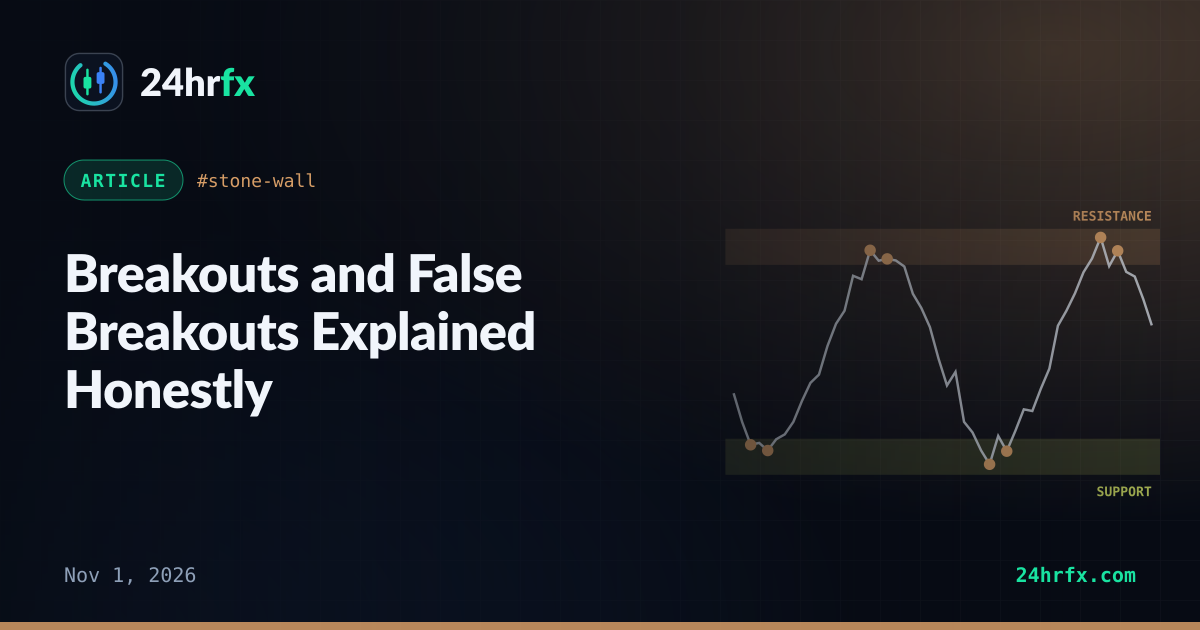
Breakouts and False Breakouts Explained Honestly
Why many breakouts fail, how traders assess them, and how to manage the failure case without pretending a filter removes it.
-
How to Choose Which Forex Pairs to Trade
A practical framework for building a small shortlist of pairs based on your hours, costs, volatility and exposure.
-
Elections and Currencies: How Political Events Move FX
The channels from elections to exchange rates, why expected outcomes move prices less than people assume, and how to manage risk.
-
Why Good News Can Push a Currency Down: Priced-In Expectations
Markets trade surprises relative to expectations, not headlines. How consensus, positioning and rate odds shape the reaction to data.
-
Why Forex Spreads Widen: Rollover, News and Thin Liquidity
Spreads are not constant. Learn when they typically blow out, why it happens, and how to avoid paying (or getting stopped) at the worst moments.
-
The Yield Curve and Currencies: What the Shape Tells FX Traders
Steep, flat or inverted: how to read a government yield curve, what it implies about rate expectations, and the limits of using it to forecast a currency.
-
Cross Rates Explained: How EUR/GBP, GBP/JPY and Others Are Really Priced
Cross pairs do not involve the dollar, yet they are priced through it. Learn the arithmetic, how to spot hidden dollar exposure, and why it matters for risk.
-
Daily and Weekly Loss Limits: A Circuit Breaker for Your Trading
A per-trade stop protects one position. A daily and weekly loss limit protects the whole account from a bad stretch. Here is how to set them and, harder, how to obey them.
-
The US Dollar Index (DXY) Explained: What It Measures and What It Hides
The DXY is a basket headline, not a measure of "the dollar" in general. Here is how it is built, why it leans on the euro, and how to use it without misreading it.
-
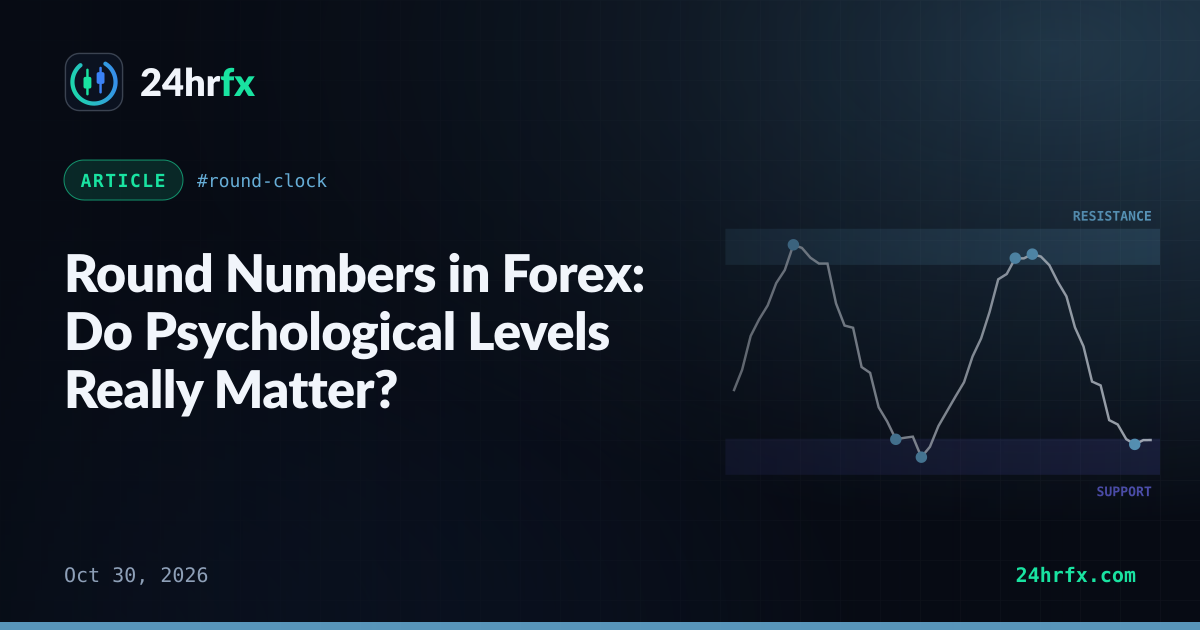
Round Numbers in Forex: Do Psychological Levels Really Matter?
Why prices cluster around figures like 1.1000 or 4,000, what evidence exists, and how to treat round numbers without superstition.
-
Current Account and Balance of Payments: What Trade Flows Mean for a Currency
How trade deficits, capital flows and the balance of payments connect to exchange rates, and when the data actually matters.
-
Post-Trade Review: How to Analyse a Losing Trade Without Beating Yourself Up
A structured, five-question method to separate bad outcomes from bad decisions, and learn from losses without hindsight bias.
-
Purchasing Power Parity and Fair Value in FX: Useful Anchor, Poor Timer
How purchasing power parity defines a long-run fair value for currencies, and why it says little about the next month.
-
The Stochastic Oscillator Explained Honestly: Where Price Closed in Its Range
What the stochastic oscillator actually measures, how %K and %D are built, and why overbought does not mean sell.
-
The Commitments of Traders Report: What FX Traders Can and Cannot Learn
The weekly CFTC positioning report is free and widely quoted. Here is what it measures, its delays, and how to avoid common misreadings.
-
Trailing Stops and Break-Even Stops: Helpful Tool or Hidden Cost?
Moving a stop to break-even feels safe, but it changes your statistics. Learn how trailing methods work and what they cost.
-
Scalping, Day Trading or Swing Trading: Which Style Fits You?
Trading style is a fit problem between your schedule, temperament and costs. A practical comparison of scalping, day and swing approaches in FX.
-
Overconfidence After a Winning Streak: The Quiet Account Killer
Losing streaks get all the attention, but many accounts are damaged right after a run of wins. Here is why, and how to build guardrails.
-
Stagflation and Currencies: How Oil Shocks Reshape FX
When growth slows while prices rise, central banks face a trap and currencies sort themselves by who is hurt least. A plain-language guide to the mechanics.
-
Candlestick Patterns Explained Honestly
What candles show, what common patterns describe, and why they work better as context than as signals.
-
Confirmation Bias in Forex Trading: Seeing What You Expect
How confirmation bias creeps into FX analysis and practical habits to reduce its cost.
-
MACD Explained Honestly: Two Averages, Not a Crystal Ball
How MACD is built, what its line, signal and histogram show, and why it lags and struggles in ranges.
-
Currency Intervention Explained: When Governments Step Into FX
What actual, verbal and peg-defending intervention are, why they happen and how a retail trader can manage the risk.
-
How to Read a Forex Quote: Base, Quote, Bid and Ask
A plain-English guide to base and quote currencies, bid and ask prices, cross rates and how a quote turns into profit and loss.
-
Multi-Timeframe Analysis Explained Honestly
How to use a small, fixed set of charts for context, setup and timing, and how to test whether timeframe alignment actually helps.
-
Forex Account Security and Withdrawal Checklist
A practical checklist for protecting your trading login, understanding how funds are held and testing withdrawals before you commit capital.
-
Boredom Trading: Why Sitting Out Is a Skill
Trades taken to relieve boredom quietly drain accounts. Here is how to build no-trade rules, a trade budget and a habit of waiting.
-
Retail Sales and GDP: How Activity Data Moves Currencies
How to read retail sales and GDP releases, why revisions and composition matter, and how expectations decide the currency reaction.
-
RSI Explained Honestly: A Momentum Ruler, Not a Reversal Signal
What the Relative Strength Index really measures, why overbought and oversold are misleading labels, and three honest ways to use it.
-
From Demo to Live: How to Make the Transition Without Blowing Up
A demo account teaches mechanics but not emotion. Here is a staged way to move to real money with small risk and clear checkpoints.
-
QE and QT Explained: How Central Bank Balance Sheets Move Currencies
Beyond interest rates, central banks buy and sell bonds. Learn what quantitative easing and tightening are and how they feed into FX.
-
Loss Aversion: Why Traders Cut Winners Short and Let Losers Run
A well-documented bias makes losses feel twice as bad as gains feel good. See how it distorts exits and how rules can counter it.
-
Trend Lines and Channels Explained Honestly: Useful Tool or Drawing Exercise?
Trend lines are subjective, but used carefully they help frame a trade. Here is how to draw them, test them and avoid fooling yourself.
-
Majors, Minors and Exotics: How Currency Pairs Are Grouped and Why It Matters
Not all pairs trade alike. Learn how majors, minors and exotics differ in spreads, liquidity and risk, and how to choose what to trade.
-
Decision Fatigue in Forex: Why Your Worst Trades Come Late in the Day, and the Weekly Review That Helps
Long screen time wears down judgement. Learn how decision fatigue shows up in trading and build a simple weekly review to catch it early.
-
Oil Prices and the Canadian Dollar: How Strong Is the Link, Really?
CAD is called a commodity currency, but the oil correlation comes and goes. Here is what drives it, what breaks it, and how to test it yourself.
-
Real Yields and Currencies: Why Inflation-Adjusted Rates Matter More Than Headline Rates
A central bank's headline rate says little on its own. Real yields, the rate after inflation, often explain why a currency attracts or loses capital.
-
Weekend Gaps in Forex: Why Prices Open Away From Friday's Close
The forex market closes for the weekend, but news does not. Learn what causes Sunday-open gaps, how they affect stops, and how to plan around them.
-
Daylight Saving Time and the Forex Trading Week: Why Your Session Map Shifts Twice a Year
Clock changes do not move the market, but they move your session overlaps. Here is how to rebuild your schedule when London, New York and Tokyo change clocks on different dates.
-
Swap Rates and Rollover Explained: The Cost of Holding Positions Overnight
How overnight financing works in forex, why you may earn or pay it, what triple swap Wednesdays are, and how to account for it.
-
PMI Data Explained: How Purchasing Managers Indexes Move Currencies
What the flash PMI measures, why 50 matters, and how forex traders read surprises alongside inflation and central bank expectations.
-
How to Build a Forex Trading Plan You Can Actually Follow
A practical template for a one-page trading plan: markets, setups, risk limits and review rules, written before the session instead of during it.
-
Market Maker vs ECN: How Forex Brokers Make Money
Understand dealing desks, STP and ECN models, the conflict of interest in each, and what to check before trusting a broker with your money.
-
Fibonacci Retracements Explained Honestly
What the 38.2%, 50% and 61.8% levels are, why traders watch them, and why they are a map of crowd attention rather than a law of markets.
-
Trading Around High-Impact News: Spreads, Slippage and Sitting Out
How major data releases and central bank meetings change market conditions, the costs of trading through them and a sensible way to plan event days.
-
Risk of Ruin: The Probability That Your Account Does Not Survive
Risk of ruin estimates how likely a strategy is to blow up an account. Learn the intuition, a simple simulation approach and why risk per trade dominates.
-
FOMO in Forex: Why Chasing the Move Costs So Much
Fear of missing out pushes traders to enter late, at poor prices and with oversized risk. How to recognise it and build rules that keep you out of chasing trades.
-
Where to Place a Stop-Loss: Logic Before Numbers
A stop belongs where your trade idea is proven wrong, not where the loss feels comfortable. How to place stops using structure and volatility, then size around them.
-
Safe-Haven Currencies Explained: Why Yen and Franc Rise When Markets Fall
What makes a currency a haven, why the yen and Swiss franc usually qualify, why the dollar sometimes does not, and what that means for your risk.
-
Win Rate, Risk-Reward and Expectancy: The Math Behind a Trading Edge
How win rate and reward-to-risk combine into expectancy, the break-even table every trader should know, and why a high win rate is not enough.
-
Interest Rate Expectations and Currencies: Why Pricing Beats the Decision
Why currencies respond to expected policy paths and yield differentials rather than the rate level itself, and how to read market pricing.
-
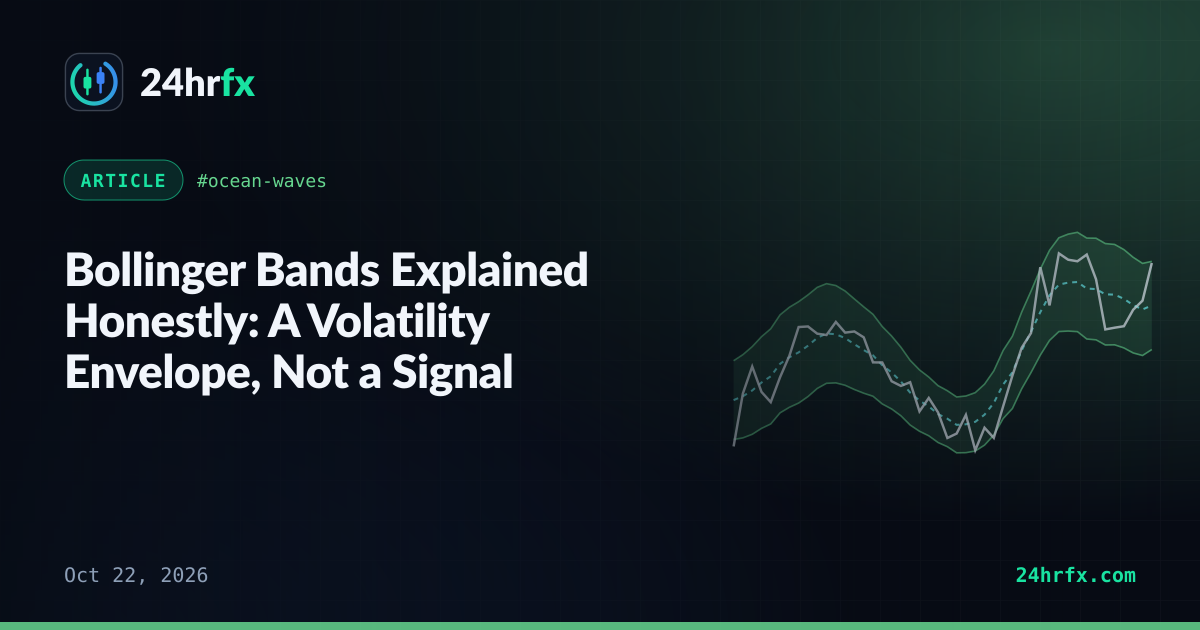
Bollinger Bands Explained Honestly: A Volatility Envelope, Not a Signal
How Bollinger Bands are built, what the squeeze and band walk actually describe, and why touching a band is not a reason to trade.
-
Overtrading: Why More Trades Rarely Means More Profit
What overtrading looks like, the costs and psychology behind it, and practical limits that protect your edge and your attention.
-
Margin Calls and Stop-Outs Explained: How Accounts Get Closed Out
What margin level means, how a margin call differs from a stop-out, and the habits that keep you far away from forced liquidation.
-
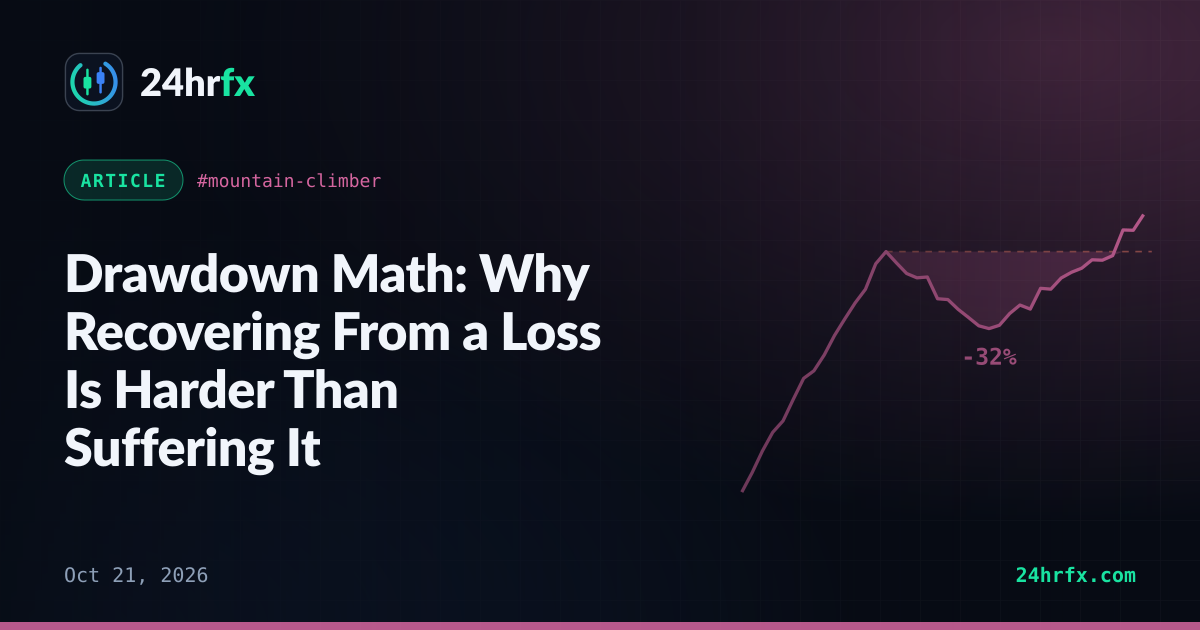
Drawdown Math: Why Recovering From a Loss Is Harder Than Suffering It
A 50 percent loss needs a 100 percent gain to repair. Understand drawdown arithmetic and why small risk per trade matters.
-
Reading Central Bank Statements: Hawkish, Dovish and What Really Moves the Market
Rate decisions are rarely the surprise. Learn to read the statement, forward guidance and press conference the way FX markets do.
-
Moving Averages Explained Honestly: Lagging by Design
Moving averages smooth price, they do not predict it. Learn how SMA and EMA are built, what they are good for and where they mislead.
-
A Pre-Trade Checklist for Forex: Fewer Impulses, Better Decisions
Pilots, surgeons and traders who last all rely on checklists. Build a short pre-trade routine that filters out impulse entries.
-
Spreads, Slippage and Commissions: The True Cost of Every FX Trade
Every trade starts slightly in the red. Learn how spreads, slippage and commissions add up, and how to measure your real cost per trade.
-
Tax Basics for Canadian Forex Traders: Capital Gains vs Business Income (General Information)
A general overview of how the CRA may treat forex gains and losses, why the capital versus business income question matters, and what records to keep. Not tax advice.
-
Backtesting Honestly: How to Test a Trading Idea Without Fooling Yourself
Backtests are easy to run and easy to misread. A practical guide to sample size, costs, overfitting, look-ahead bias and out-of-sample testing for self-directed FX traders.
-
The FX Carry Trade Explained: Earning the Interest Differential, and Its Hidden Risks
How the carry trade works, what swap or rollover really means, and why carry strategies tend to earn small gains steadily and give them back in sudden bursts.
-
Currency Correlation Explained: Why Three Trades Can Be One Trade
Currency pairs share underlying currencies, so positions that look diversified often are not. Learn how correlation works, how to read it, and how to avoid doubling your risk by accident.
-
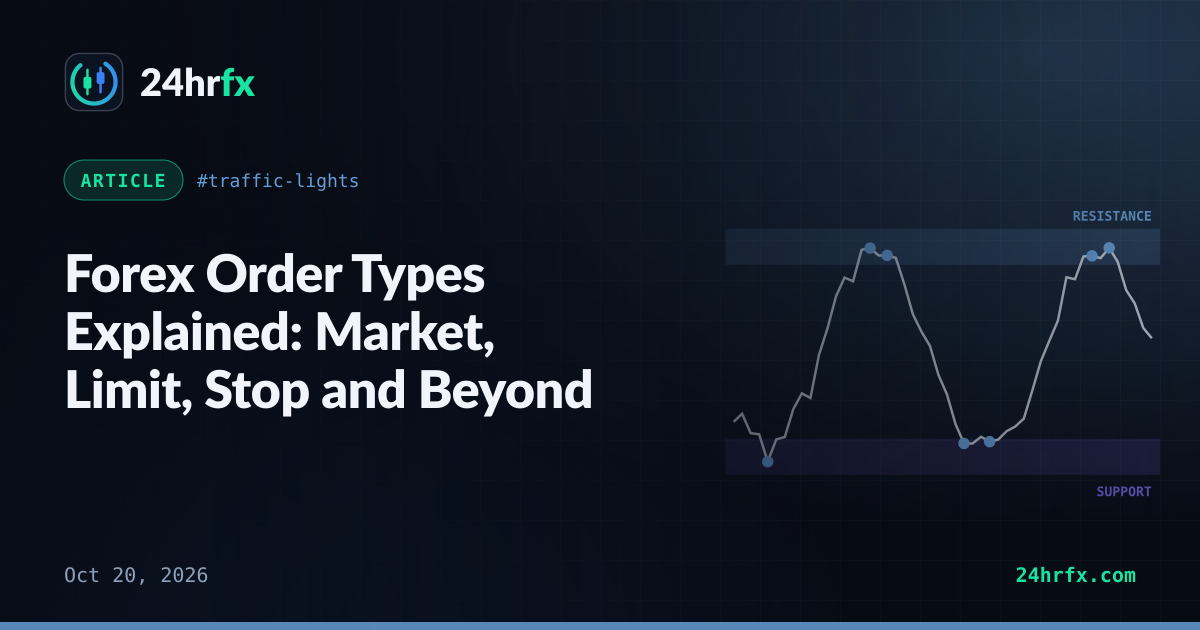
Forex Order Types Explained: Market, Limit, Stop and Beyond
A plain-language guide to the order types every retail FX trader meets: market, limit, stop, stop-limit, stop-loss, take-profit and trailing stops, and when each can bite.
-
Broker Due Diligence for Canadian FX Traders: A Practical Checklist
Before you deposit a dollar, check who regulates your broker, what protections apply to your account and how the firm actually makes money from you. A step-by-step checklist for Canadian retail traders, with no recommendations and no referrals.
-
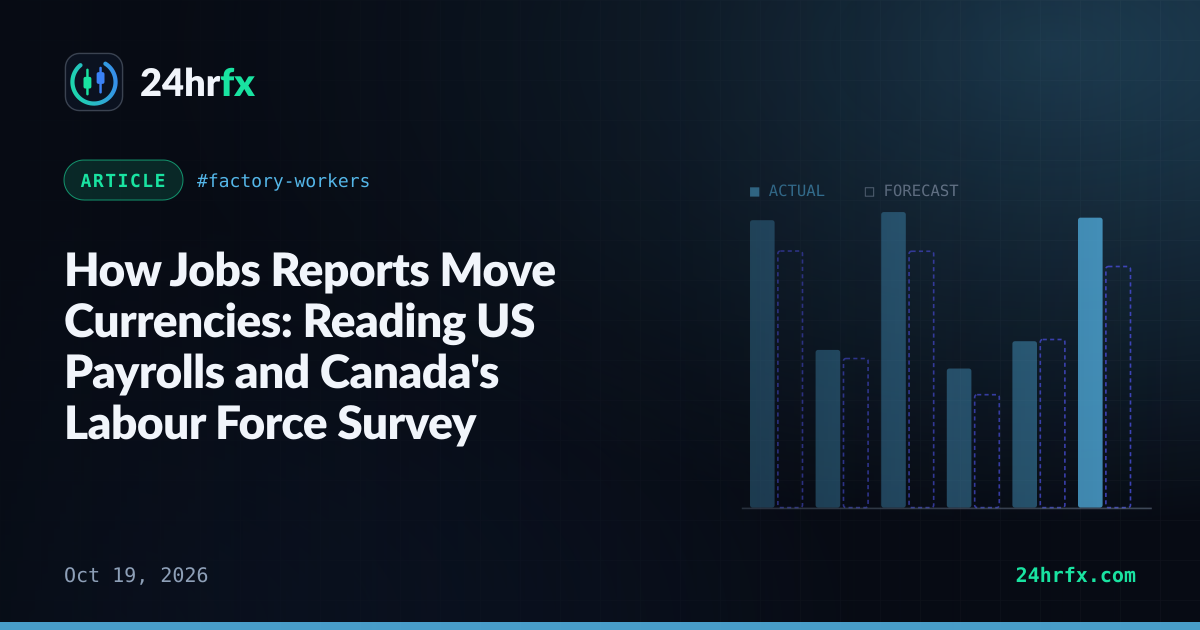
How Jobs Reports Move Currencies: Reading US Payrolls and Canada's Labour Force Survey
Employment data ranks alongside inflation as the biggest scheduled driver of FX. Here is what is inside the US jobs report and Canada's Labour Force Survey, why the headline number can mislead, and how traders can prepare for release-day volatility.
-
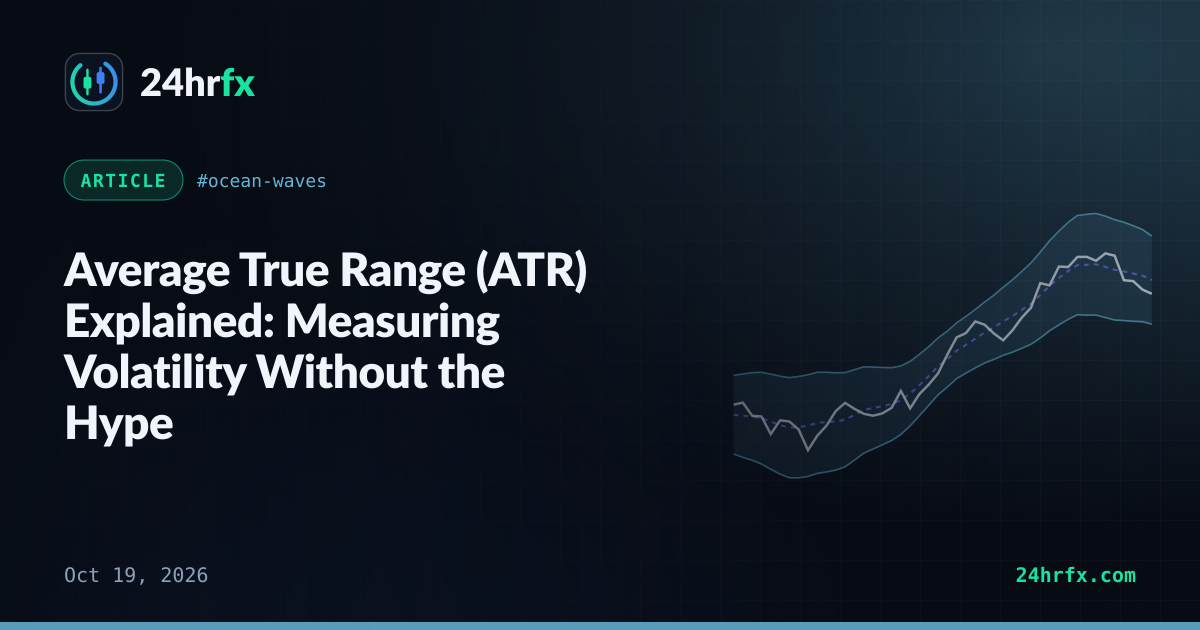
Average True Range (ATR) Explained: Measuring Volatility Without the Hype
ATR does not predict direction and was never meant to. What it does well is tell you how much a market typically moves, which makes it one of the most practical tools for setting stops, sizing positions and sanity-checking targets.
-
Losing Streaks, Revenge Trading and the Math of Staying Calm
Every strategy produces losing streaks, and they are longer than intuition suggests. Understanding the probability behind them is the best defence against revenge trading, the habit that turns a normal drawdown into a damaged account.
-
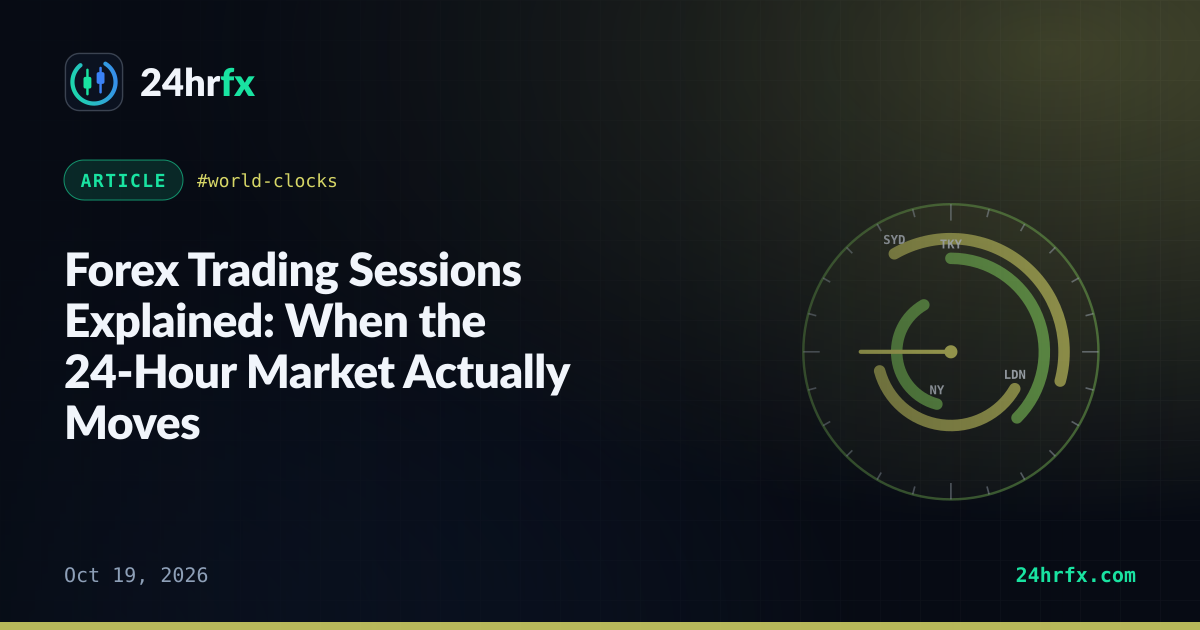
Forex Trading Sessions Explained: When the 24-Hour Market Actually Moves
The FX market is open around the clock, but liquidity, spreads and volatility are not. Here is how the Sydney, Tokyo, London and New York sessions shape your trading day, including the daylight-saving shifts that catch traders out every autumn.
-
How to Keep a Trading Journal That Actually Improves Your Trading
A practical journal template for FX traders: what to record before and after every trade, measuring results in R, calculating expectancy by setup, tagging mistakes, and a review routine you can stick to.
-
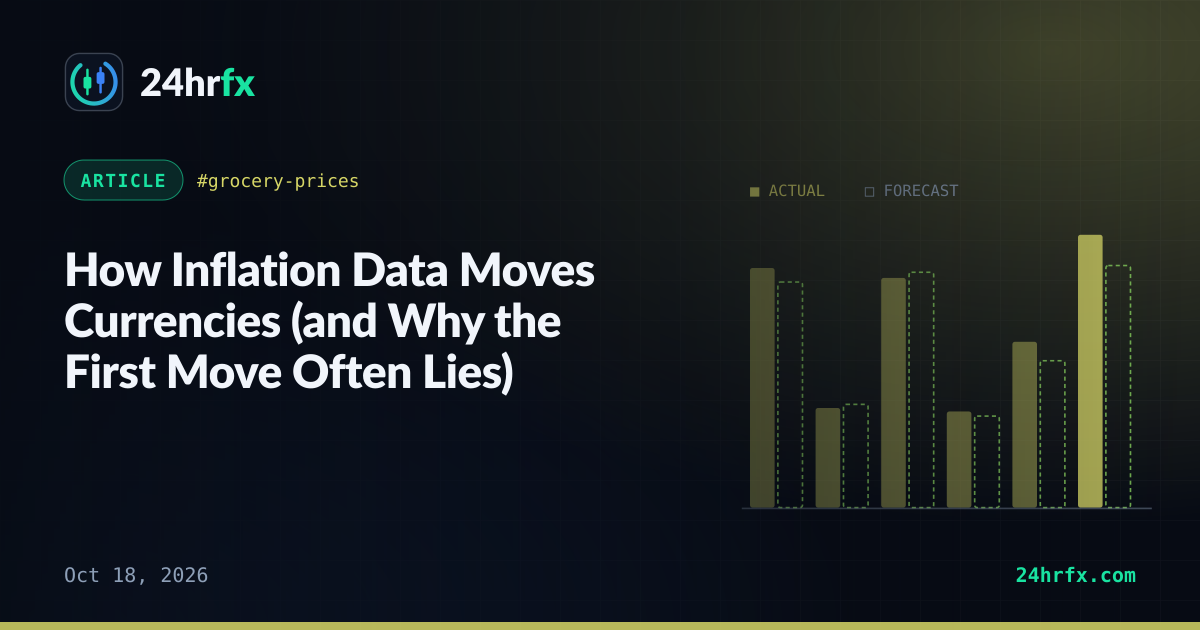
How Inflation Data Moves Currencies (and Why the First Move Often Lies)
CPI moves FX because it moves interest-rate expectations. What to watch in an inflation release, why the surprise matters more than the level, and how to manage risk in the chaotic minutes after the print.
-
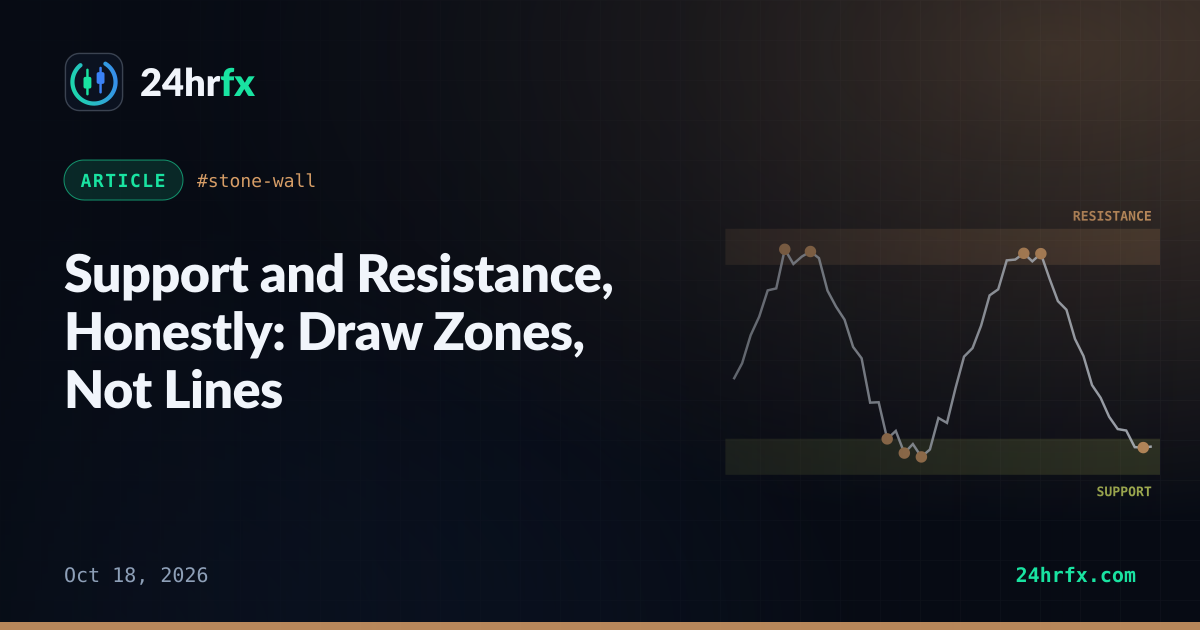
Support and Resistance, Honestly: Draw Zones, Not Lines
Support and resistance are a map of where buyers and sellers have previously shown up, not a prediction. How to find the levels that matter, why zones beat lines, and how to use them to define risk.
-
Position Sizing and Risk Per Trade: The Rule That Keeps Accounts Alive
How to size every FX trade from a logical stop and a fixed percentage of equity, and the losing-streak arithmetic that shows why risking 1% and risking 10% are completely different games.
-
Lots, Leverage and Margin: What Your Trade Size Really Means
Lot size sets your exposure, leverage measures it, and margin is only the deposit. Here is how the three fit together, and why margin used tells you almost nothing about how much you are risking.
-
Technical vs Fundamental Analysis in Forex: Using Both
Neither approach is complete on its own. Here is how experienced FX traders blend the two.
-
How Central Bank Rate Decisions Move FX Markets
Interest rate differentials are the single biggest driver of medium-term currency trends. Here is why.
-
Pip Value Explained: The Building Block of FX P&L
What a pip actually is, how to calculate its value per lot, and why it matters for position sizing.